2026-10-14 · Jack Reynolds
How Annapolis Winters Affect Water Heater Performance
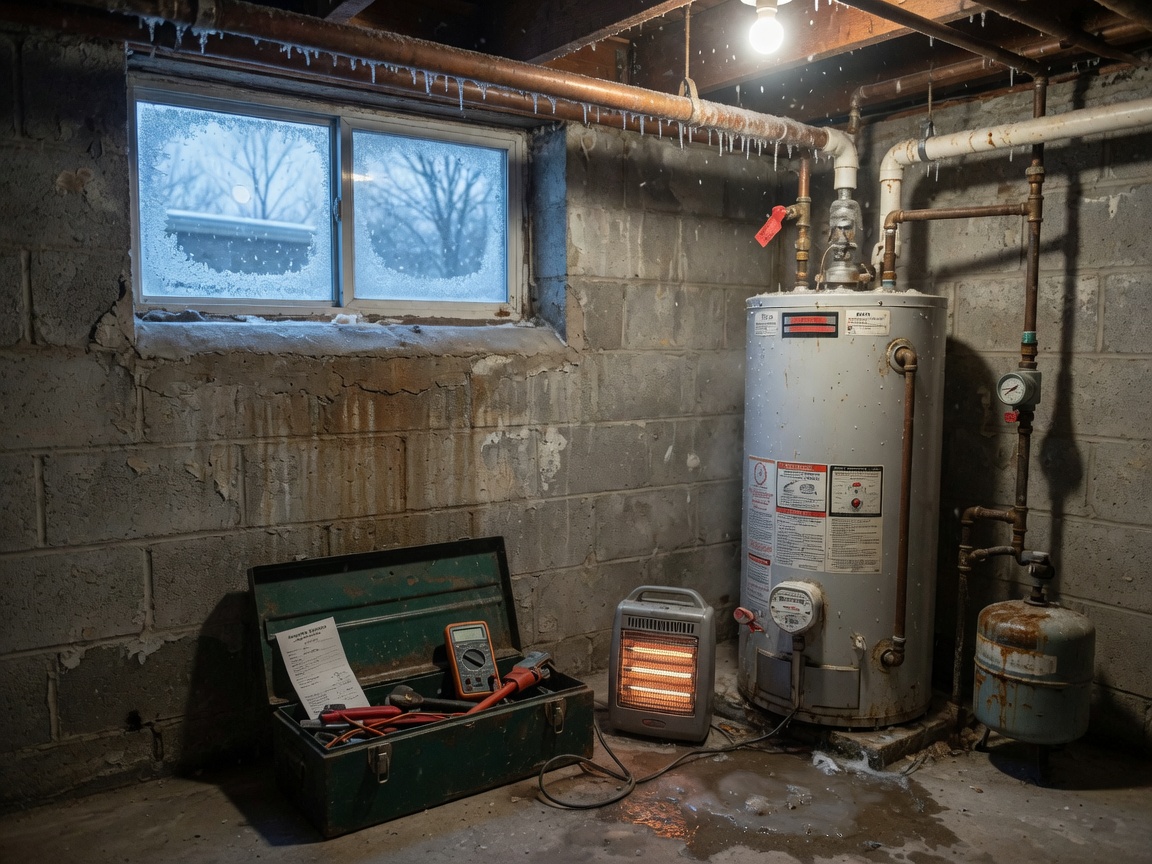
Annapolis winters lower groundwater temperatures drawn from near the Chesapeake Bay, extending typical recovery times by 20-40% on standard 40- to 50-gallon units in Anne Arundel County homes.
Cooler Inlet Water and Longer Recovery Cycles
Groundwater feeding Annapolis homes drops several degrees once winter sets in, especially noticeable in neighborhoods like Murray Hill and Admiral Heights where pipes run closer to the surface. A water heater must then heat that colder incoming water to the set temperature, which stretches the time between cycles and increases burner or element runtime. Homeowners in West Annapolis often report the unit struggling to keep up during morning showers when multiple fixtures draw hot water at once. This seasonal shift also raises the chance of temperature fluctuations at the tap if the thermostat is not adjusted slightly higher to compensate. Older stock built before 1970 in these areas lacks modern insulation on supply lines, amplifying the effect compared with newer construction near Parole.
Sediment Accumulation from Seasonal Use Patterns
Cooler months bring more consistent hot water demand for showers and laundry, stirring up minerals already present in Anne Arundel County water. Over time this leads to thicker sediment layers at the tank bottom that insulate the heating element or burner from the water above it. Properties near City Dock and the Maryland State House frequently see accelerated buildup because many homes still rely on original plumbing that traps fine particles. Regular flushing becomes essential to restore efficiency, and the linked guide explains the exact steps for Annapolis conditions. Without it, the extra runtime needed to overcome the insulating layer shortens overall tank life and can trigger safety valve releases during peak winter loads.
Added Stress on Aging Tanks in Historic Neighborhoods
Many residences in Historic Annapolis and Eastport date to the early 1900s and contain water heaters installed in tight utility spaces with limited airflow. Winter temperature swings place extra thermal stress on these older tanks, increasing the likelihood of seam leaks or valve failures when the unit cycles more frequently. The humid subtropical climate keeps outdoor humidity high even in cool months, promoting condensation on exposed pipes that can drip onto electrical connections or gas lines. Residents in these blocks often notice higher utility bills once inlet water cools, because the heater compensates with longer burn times. Checking expansion tanks and pressure relief valves before sustained cold periods helps prevent sudden shutdowns that leave households without hot water during the busiest part of the day.
Practical Steps to Maintain Performance Through Winter
Homeowners can reduce winter strain by lowering the thermostat to 120°F when demand is steady and insulating exposed supply lines in crawl spaces common around Bay Ridge and Heritage Harbour. Scheduling a sediment flush before temperatures drop removes the insulating layer that forces extra runtime, and the step-by-step guide covers the process safely for both gas and electric models. Monitoring for early signs such as lukewarm water at distant fixtures or popping sounds during heating allows timely attention before a full failure occurs. In cases where performance declines sharply, reviewing the factors that influence repair costs helps set realistic expectations for parts and labor on units serving Annapolis homes.
Tracking these seasonal changes and addressing sediment early keeps water heaters operating reliably through the cool months without unnecessary energy waste or surprise breakdowns.